



Omvoh logo
  • Prescribing Information
  • Medication Guide
  • Instructions for Use
  • Enrollment Form
Menu closed
Omvoh logo
  • Prescribing Information
  • Medication Guide
  • Instructions for Use
  • Enrollment Form
Globe Loading... Reveal available languages
  • House For Healthcare Providers
    • How Omvoh Works
      • Omvoh for Ulcerative Colitis
      • Who Omvoh Is For
      • Clinical Data
      • Omvoh for Crohn’s Disease
      • Who Omvoh Is For
      • Clinical Data
        • Trial design
        • Clinical remission and endoscopic improvement data
        • Bio-failed efficacy data
        • Bowel urgency data
        • Fatigue data
        • Long-term data through 2 years
    • Safety Profile
    • Dosing
    • Support for Your Patients
    • Learn More About Omvoh from the Experts
    • Resources
  • For Consumers
Ask Lilly

We're here to help.

Phone Call:
1-800-LillyRx
(1-800-545-5979)
Link Visit Lilly Medical (HCP)
Question Sales Inquiry
Question Submit a Question
Chat Click to chat
Expand contact lilly
This site is intended only for U.S. Healthcare Providers

Clinical Data

Trial design
Clinical remission and endoscopic improvement data
Bio-failed efficacy data
Bowel urgency data
Fatigue data
Long-term data through 2 years
Blue banner with hypothetical bio-failed, crohn's disease patient Morgan smiling while wearing a brown apron

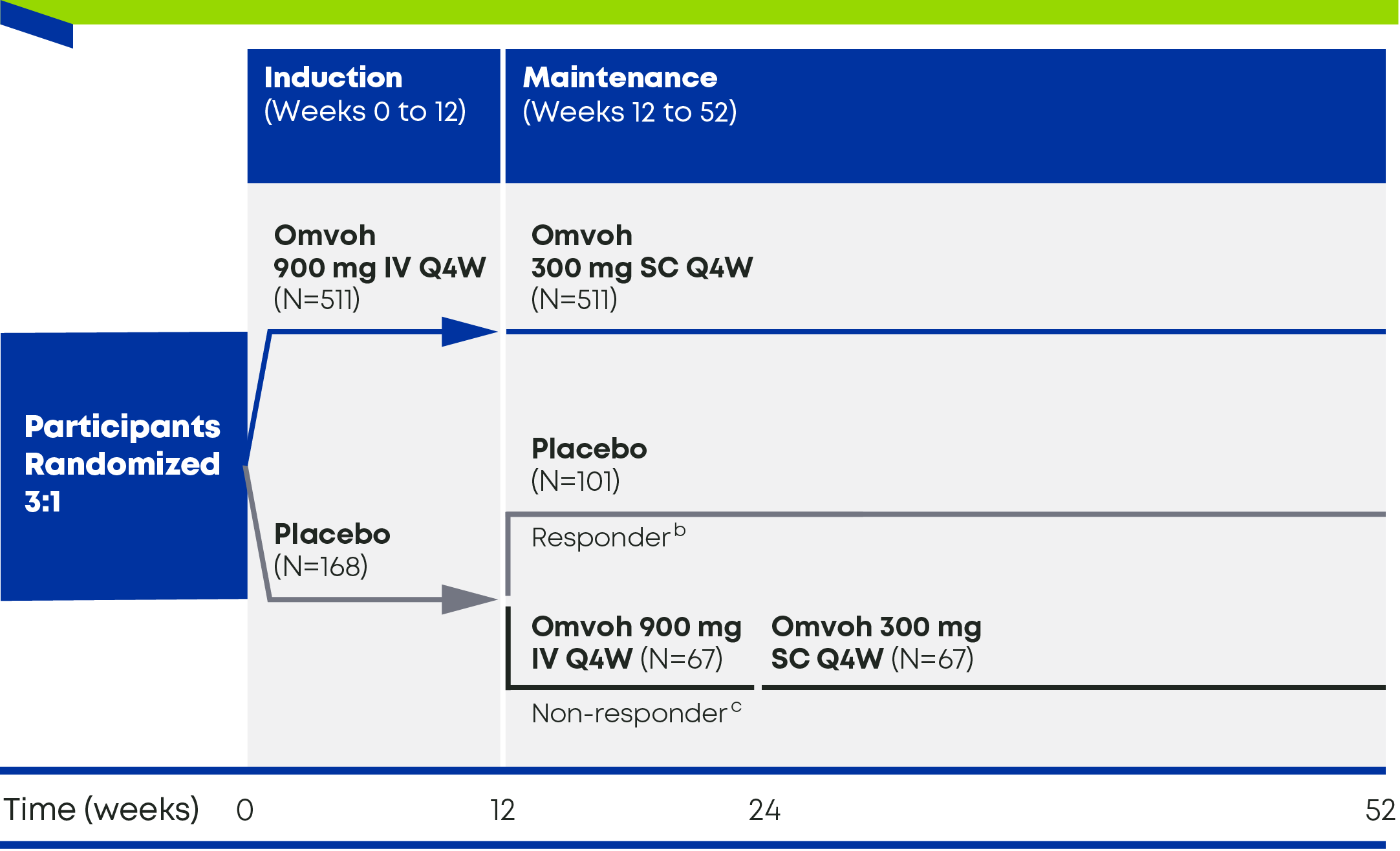
The phase 3, randomized, double-blind trial evaluated Omvoh in adult patients with moderately to severely active CD1,2*

Crohn's disease CD-1 study design showing 12 week induction period and 40 week maintenance period.

The efficacy population in CD-1 consisted of 679 patients who were randomized 3:1 at Week 0 to receive Omvoh 900 mg by IV infusion Q4W followed by a dosage of 300 mg by SC injection at Week 12 and then every 4 weeks for 40 weeks, or placebo. Among the 168 patients who were randomized to placebo at baseline, 67 patients did not achieve clinical response by PRO at Week 12 and were switched to blinded Omvoh induction followed by blinded Omvoh maintenance therapy. 101 placebo patients who achieved clinical response by PRO at Week 12 remained on placebo until Week 52.

Co-primary endpoints:1

  • Proportion of participants achieving clinical remission (CDAI)† at Week 52
  • Proportion of participants achieving endoscopic response‡ at Week 52

At baseline, all patients had an inadequate response, loss of response, or intolerance to corticosteroids, immunomodulators (azathioprine, 6-mercaptopurine, and methotrexate), and/or a biologic treatment (TNF-α antagonist or integrin receptor antagonists).1

*Moderately to severely active CD was defined by a CDAI of ≥220 and an SES-CD ≥7 (centrally read) for subjects with ileal-colonic or ≥4 for subjects with isolated ileal disease. At baseline, subjects had a median CDAI of 329 and SES-CD of 12.1
†Clinical remission is defined as CDAI <150.1
‡Endoscopic response is defined as <50% reduction from baseline in SES-CD total score, based on central reading.1

aCD-1 also included an active comparator arm, where patients received ~6 mg/kg ustekinumab as an IV infusion at Week 0, followed by 90 mg ustekinumab SC injections at Week 8 and every 8 weeks through the end of CD-1. 247 patients were randomized and included for efficacy analyses. Ustekinumab in CD-1 included US-licensed Stelara® and EU-authorized ustekinumab. A scientific bridge was not established between these two sources of ustekinumab. Other company and product names are trademarks of their respective owners.1,2
bPlacebo patients who achieved clinical response by patient reported outcome (PRO) at Week 12 remained on placebo until Week 52. Clinical response by PRO is defined as at least a 30% decrease in SF and/or AP and neither score worse than baseline.1
cAmong the 168 patients who were randomized to placebo at baseline, 67 (40%) patients did not achieve clinical response by PRO at Week 12 and were switched to blinded Omvoh induction followed by blinded Omvoh maintenance therapy.1

AP=abdominal pain; CD=Crohn’s disease; CDAI=Crohn’s Disease Activity Index; IV=intravenous; PRO=Patient-Reported Outcome; Q4W=every 4 weeks; SC=subcutaneous; SES-CD=Simple Endoscopic Score for Crohn’s Disease; SF=stool frequency; TNF=tumor necrosis factor.

FOR ADULTS WITH MODERATE TO SEVERE CD1

Strong clinical remission and endoscopic response at Week 521

With rapid reduction in abdominal pain observed as early as Week 6 and stool frequency at Week 12

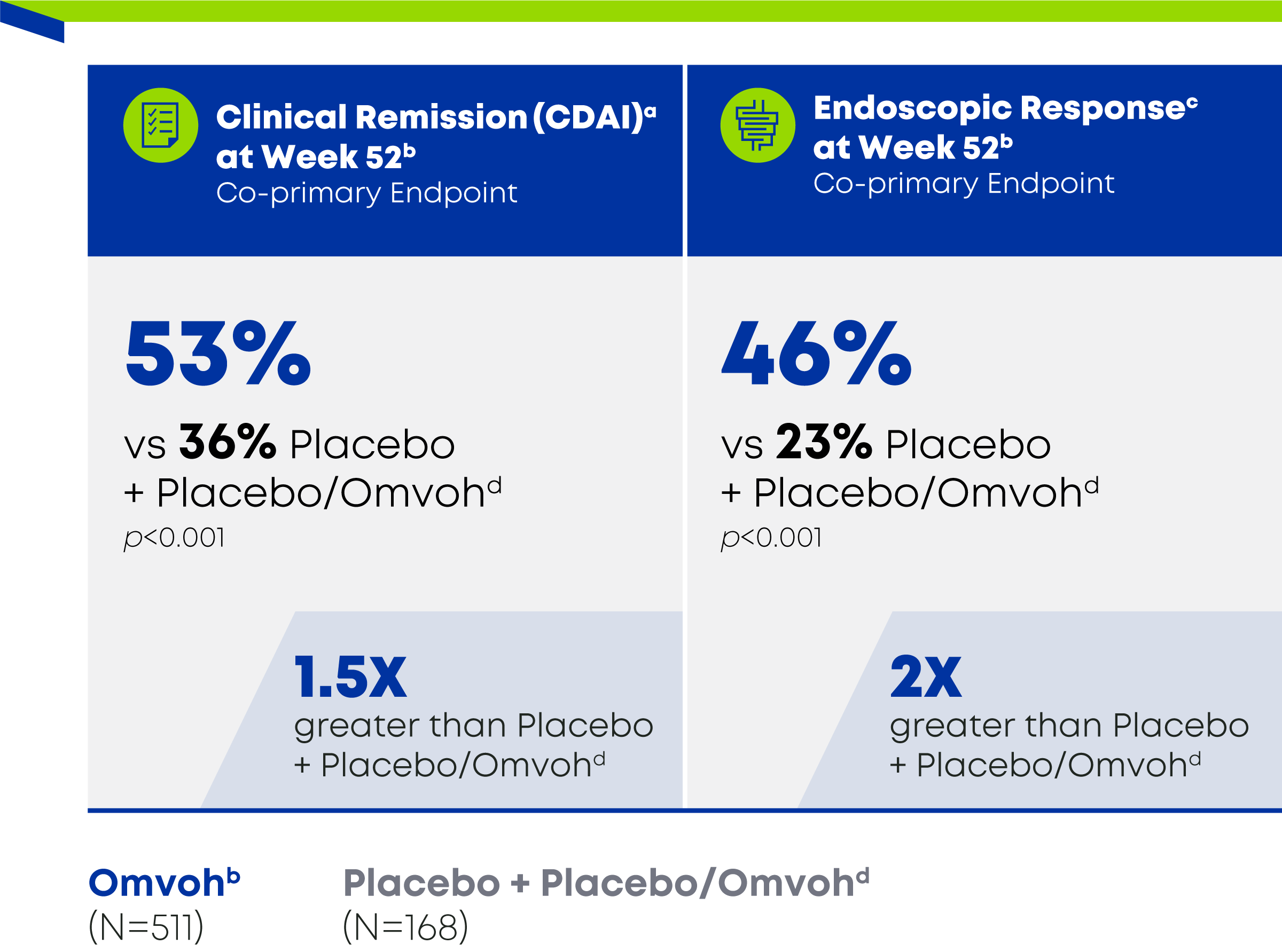
Co-primary endpoints of clinical remission and endoscopic response chart for Omvoh

In a study of patients taking Omvoh every 4 weeks (N=511) vs patients taking Placebo + Placebo/Omvoh (N=168), 53% of patients taking Omvoh achieved clinical remission at Week 52 (co-primary endpoint; p<0.001) vs 36% taking Placebo/Omvoh, which was 1.5 times greater than Placebo; 46% of patients taking Omvoh achieved endoscopic response at Week 52 (co-primary endpoint; p<0.001) vs 23% taking Placebo + Placebo/Omvoh, which was 2 times greater than Placebo + Placebo/Omvoh.

aClinical remission is defined as CDAI <150.1

bFollowing Omvoh 900 mg as an IV infusion at Week 0, Week 4, and Week 8, patients received Omvoh 300 mg as an SC injection at Week 12 and every 4 weeks thereafter for up to an additional 40 weeks.1

cEndoscopic response is defined as a >50% reduction from baseline in SES-CD total score, based on central reading.1

dIncludes all 168 subjects randomized to Placebo at baseline. Of those, 67 (40%) subjects did not achieve clinical response (PRO) at Week 12 and were switched to blinded induction and maintenance treatment with Omvoh at Week 12 (designated as Placebo/Omvoh). Efficacy data from these 67 subjects are included here with the remaining subjects randomized to Placebo who did not receive Omvoh (designated as Placebo).1

CD=Crohn's disease; CDAI=Crohn’s Disease Activity Index; IV=intravenous; PRO=patient-reported-outcome; Q4W=every 4 weeks; SC=subcutaneous; SES-CD=Simple Endoscopic Score for Crohn's Disease.

See CD-1 trial design

FOR ADULTS WITH MODERATE TO SEVERE CD1

Strong efficacy at Week 521,17

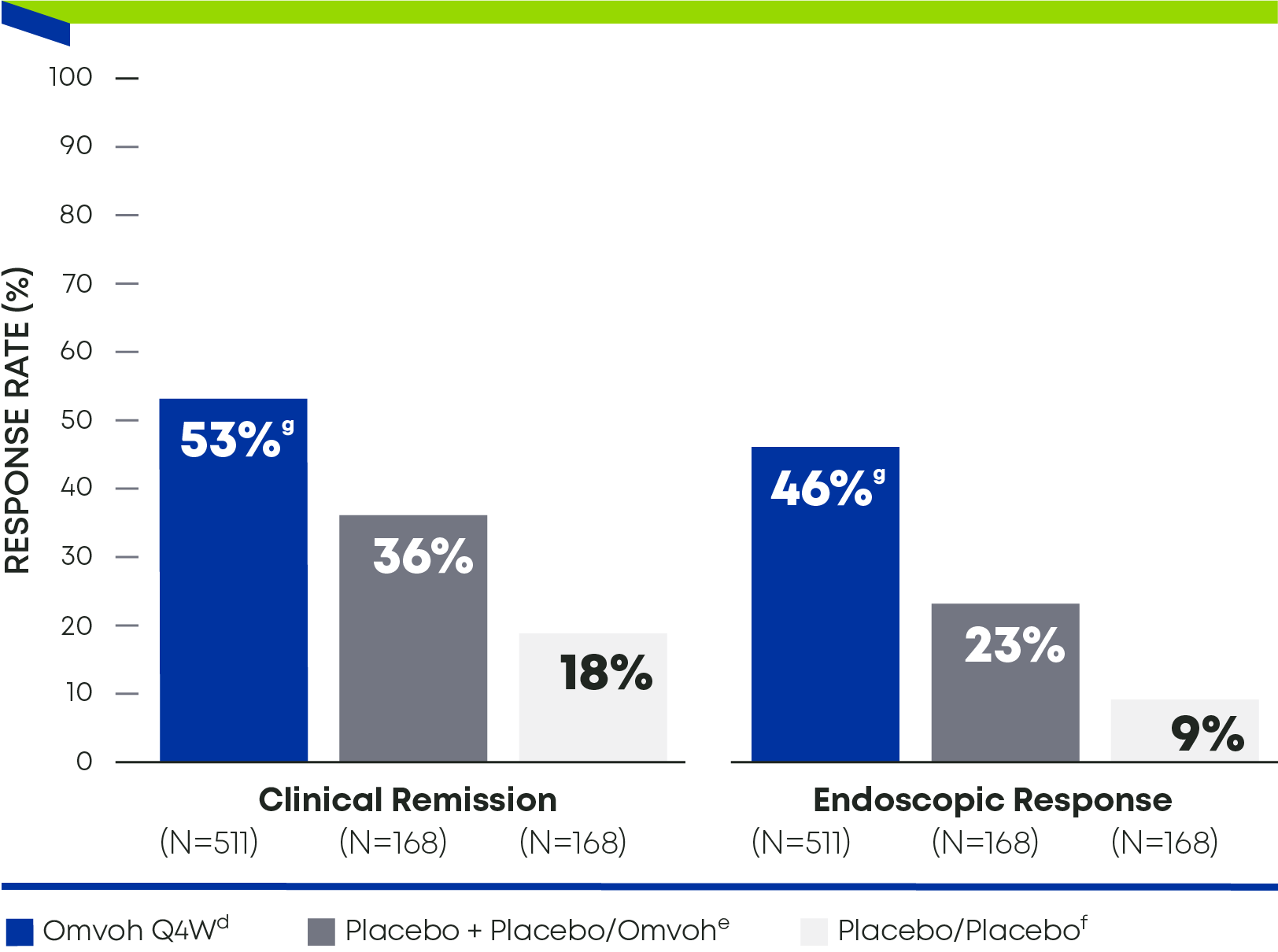
In a study of patients taking Omvoh every 4 weeks (N=511) vs patients taking Placebo + Placebo/Omvoh (N=168), 53% of patients taking Omvoh achieved clinical remission at Week 52 (co-primary endpoint; p<0.001) vs 36% taking Placebo + Placebo/Omvoh, and 18% taking Placebo/Placebo (N=168). 46% of patients taking Omvoh achieved endoscopic response at Week 52 (co- primary endpoint; p<0.001) vs 23% taking Placebo + Placebo/Omvoh, and 9% taking Placebo/Placebo.

aClinical remission is defined as CDAI <150.1
bEndoscopic response is defined as a >50% reduction from baseline in SES-CD total score, based on central reading.1
cNRI.
dOmvoh Q4W: Following Omvoh 900 mg as an IV infusion at Week 0, Week 4, and Week 8, patients received Omvoh 300 mg as a SC injection at Week 12 and every 4 weeks thereafter for up to an additional 40 weeks.1
ePlacebo + Placebo/Omvoh: Includes all 168 subjects randomized to Placebo at baseline. Of those, 67 (40%) subjects did not achieve clinical response (PRO) at Week 12 and were switched to blinded induction and maintenance treatment with Omvoh at Week 12 (designated as Placebo + Placebo/Omvoh). Efficacy data from these 67 subjects are included here with the remaining subjects randomized to Placebo who did not receive Omvoh.1
fPlacebo/Placebo: Includes all 168 subjects randomized to Placebo at baseline. Week 12 PRO non-responder observation carried forward to Week 52.
gp<0.001 vs placebo + placebo/Omvoh.

CD=Crohn's disease.

See CD-1 trial design

FOR ADULTS WITH MODERATE TO SEVERE CD1

Demonstrated efficacy consistently across both bio‑naive* and bio-failed† patients at Week 521

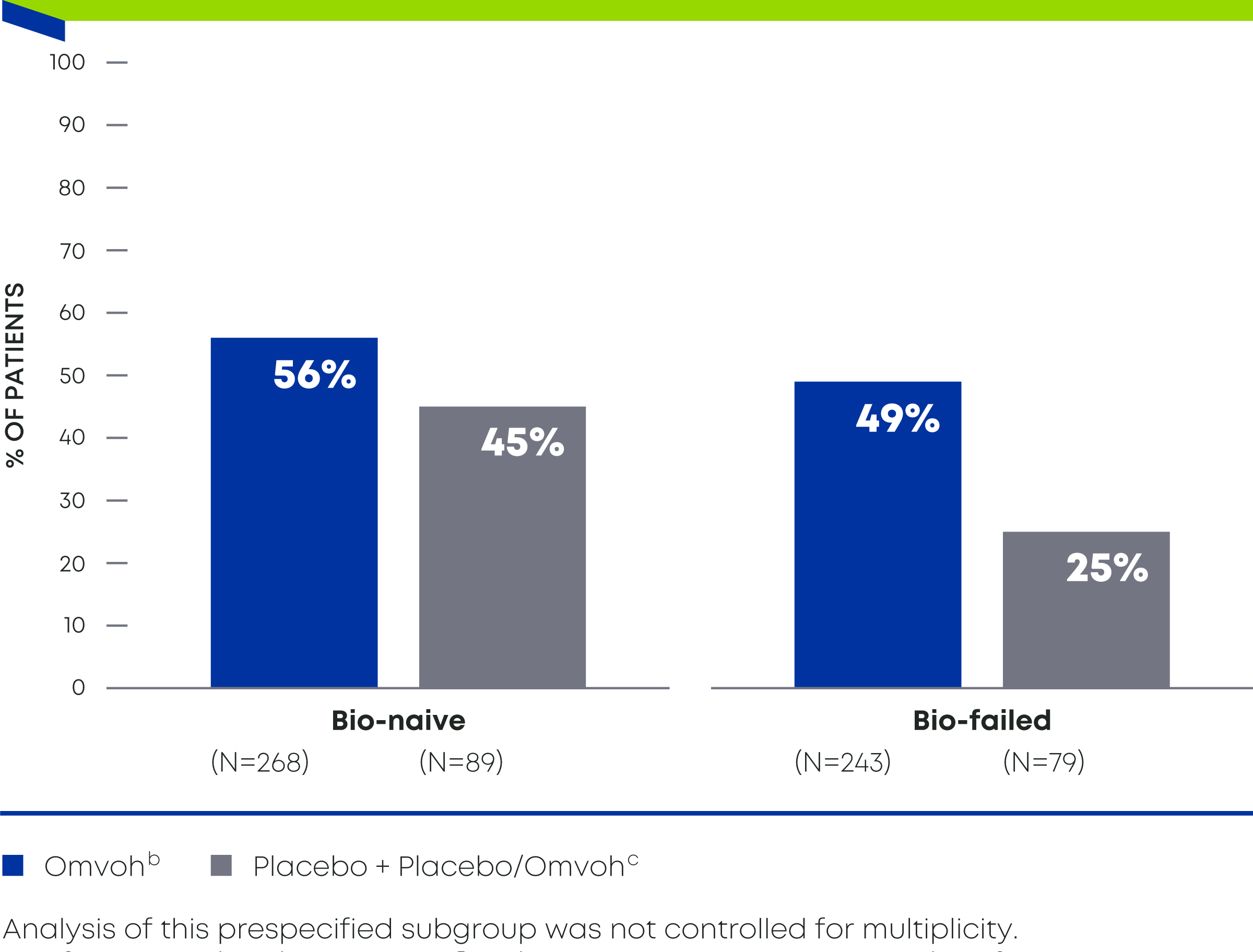
Comparison between Omvoh 300 mg SC Q4W and the placebo in achieving clinical remission in bio-naive and bio-failed patients at week 52.

Clinical remission in bio-naive patients at Week 52 was 56% for patients taking Omvoh 300 mg subcutaneously every 4 weeks (N=268) and 45% for Placebo + Placebo/Omvoh (N=89). Clinical remission in bio-failed patients at Week 52 was 49% for patients taking Omvoh 300 mg subcutaneously every 4 weeks (N=243) and 25% for Placebo + Placebo/Omvoh (N=79). Analysis of this prespecified subgroup was not controlled for multiplicity.

Bio-failed=biologic-failed; bio-naive=biologic-naive; CD=Crohn's disease; TNF=tumor necrosis factor.

See CD-1 trial design

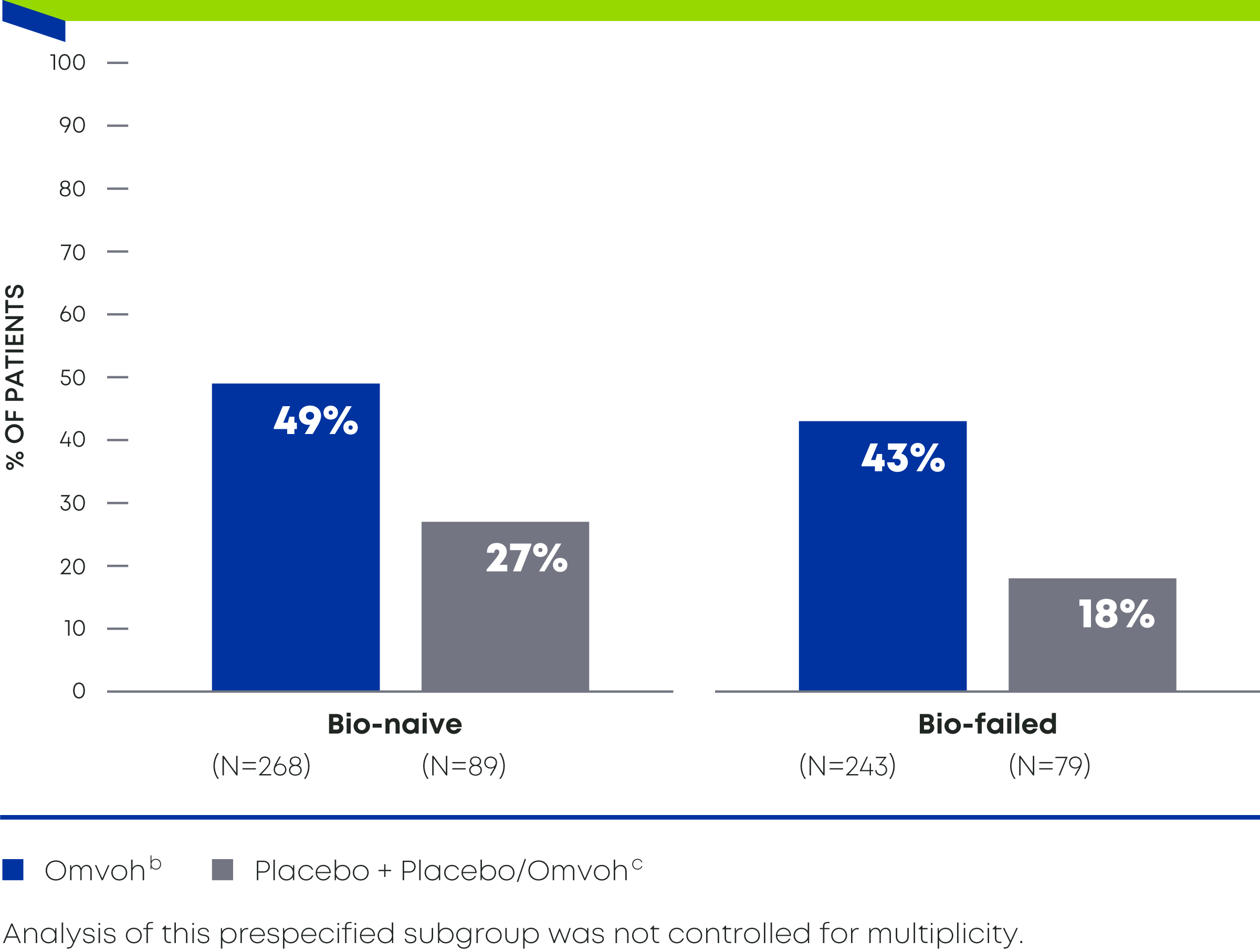
Comparison between Omvoh 300 mg SC Q4W and the placebo endoscopic response in bio-naive and bio-failed patients at week 52.

Endoscopic response in bio-naive patients at Week 52 was 49% for patients taking Omvoh 300 mg subcutaneously every 4 weeks (N=268) and 27% for Placebo + Placebo/Omvoh (N=89). Endoscopic response in bio-failed patients at Week 52 was 43% for patients taking Omvoh 300 mg subcutaneously every 4 weeks (N=243) and 18% for Placebo + Placebo/Omvoh (N=79). Analysis of this prespecified subgroup was not controlled for multiplicity.

*Bio-naive is defined as without prior biologic failure which includes patients who either had not been treated with biologics or were exposed to biologics but did not experience inadequate response, loss of response, or intolerance.1
†Bio-failed is defined as prior biologic failure which includes loss of response, inadequate response, or intolerance to one or more biologic therapy (TNF blockers, and integrin receptor antagonist).1

aClinical remission by CDAI is defined as CDAI <150.1 bFollowing Omvoh 900 mg as an IV infusion at Week 0, Week 4, and Week 8, patients received Omvoh 300 mg as an SC injection at Week 12 and every 4 weeks thereafter for up to an additional 40 weeks.1 cIncludes all 168 subjects randomized to Placebo at baseline. Of those, 67 (40%) subjects did not achieve clinical response (PRO) at Week 12 and were switched to blinded induction and maintenance treatment with Omvoh at Week 12 (designated as Placebo/Omvoh). Efficacy data from these 67 subjects are included here with the remaining subjects randomized to Placebo who did not receive Omvoh (designated as Placebo).1 dEndoscopic response is defined as >50% reduction from baseline in SES-CD total score, based on central reading.1

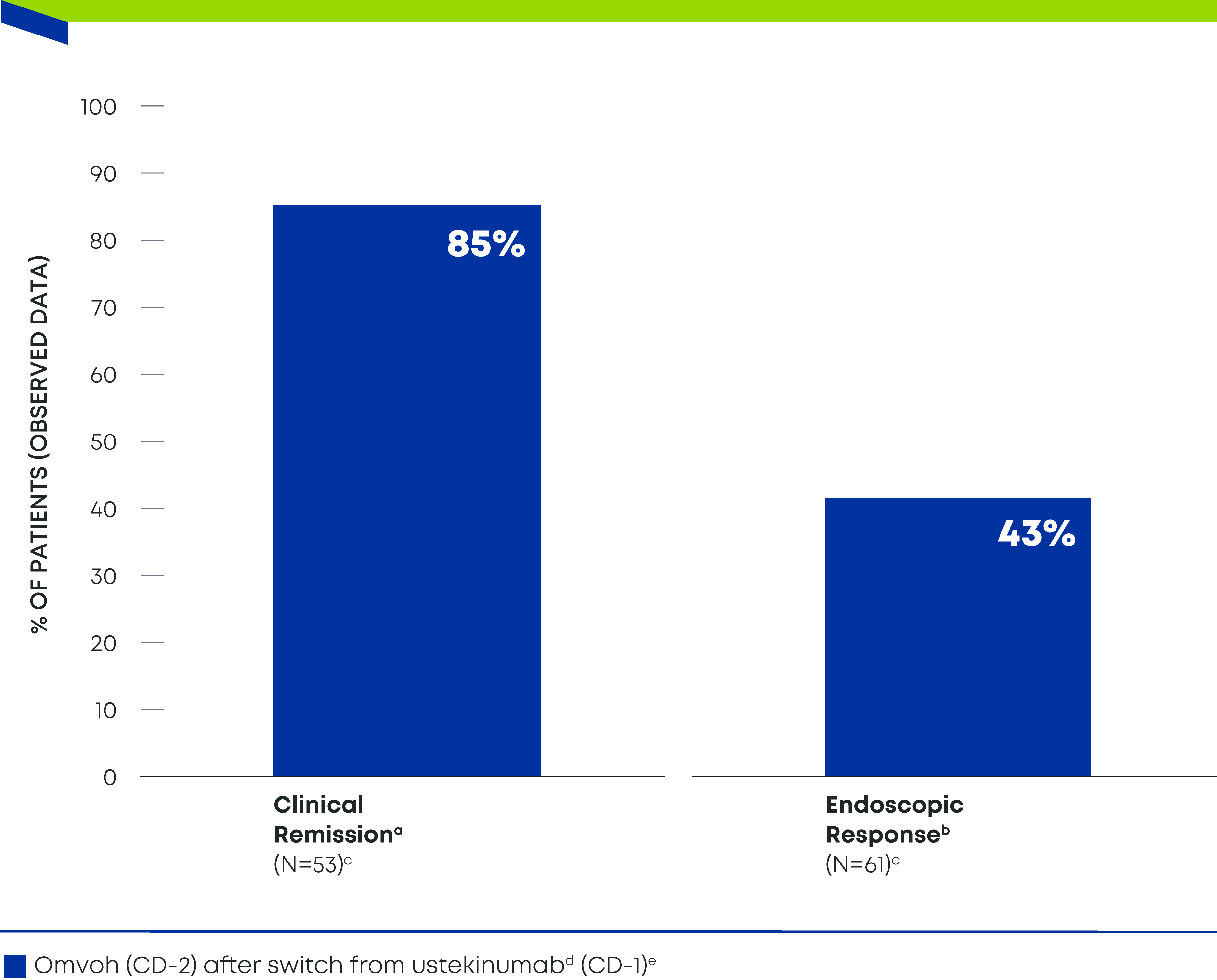
Among CD patients who did not achieve endoscopic response* with ustekinumab and switched to Omvoh at Week 522,19

Clinical Remission and Endoscopic Response Rates for patients on Omvoh at Week 10419

Clinical Remission and Endoscopic Response With Omvoh
The image of the graph shows that among the 53 patients on ustekinumab not in endoscopic response at week 52 who were switched to Omvoh-IV-SC in CD-2, 85% (N=53) (observed data) achieved clinical remission and 43% (N=61) (observed data) achieved endoscopic response.

CD-2 NRI analyses showed 61% of patients achieved clinical remission (N=74) and 35% of patients achieved endoscopic response (N=74) at Week 104.4

In post-hoc analyses (CD-1),

  • 53% (N=511) of patients taking Omvoh achieved clinical remission by CDAI vs. 47% ustekinumab (N=247) at Week 52
  • 46% (N=511) of patients taking Omvoh achieved endoscopic response vs. 47% ustekinumab (N=247) at Week 523

Open-label extension studies may have selection bias as patients who cannot tolerate treatment or do not respond may drop out of the study prior to the extension.

aClinical remission is defined as CDAI <150.19

bEndoscopic response is defined as >50% reduction from baseline in SES-CD total score, based on central reading.19

cIncludes patients with non-missing values.19

dUstekinumab in CD-1 included US-licensed Stelara® and EU-authorized ustekinumab. A scientific bridge was not established between these two sources of ustekinumab. Other company and product names are trademarks of their respective owners.

eEndoscopic non-responders to ustekinumab at W52 of CD-1 received Omvoh IV 900 mg at W0, W4, and W8, followed by Omvoh SC 300 mg Q4W in CD-2.2

See CD-1 trial design
See CD-2 trial design

FOR ADULTS WITH MODERATE TO SEVERE CD1

Bowel Urgency Reduction Data at Week 528

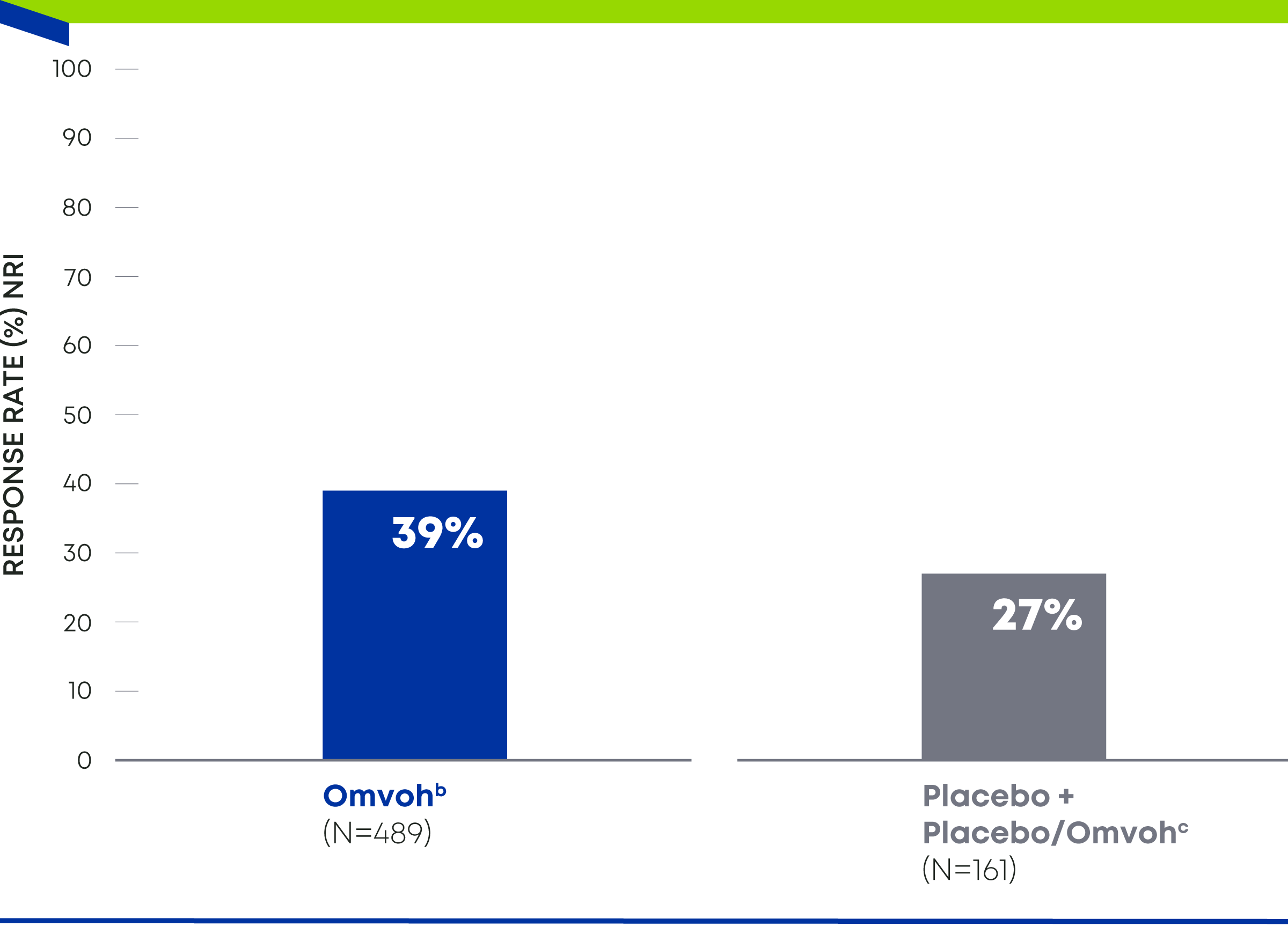
Patients Achieving Clinical Response (PRO) at Week 12 and UNRS ≤2 at Week 52

489 patients took Omvoh and 161 took Placebo + Placebo/Omvoh. 39% of patients who took Omvoh achieved UNRS (0-2) at Week 52 vs 27% with Placebo + Placebo/Omvoh.

Analysis of this prespecified endpoint was not controlled for multiplicity. Statistical significance cannot be concluded.

Reduction in bowel urgency was defined as UNRS weekly average score of (0-2).8

aBowel urgency severity was assessed during CD-1 with an Urgency Numeric Rating Scale (UNRS) of 0 to 10. This 11-point scale ranges from 0 (no urgency) to 10 (worst possible urgency). Patients with a baseline UNRS weekly average score ≥3 were included in this analysis.8,9

bFollowing Omvoh 900 mg as an IV infusion at Week 0, Week 4, and Week 8, patients received Omvoh 300 mg as a SC injection at Week 12 and every 4 weeks thereafter for up to an additional 40 weeks.1

cIncludes subjects that did not achieve clinical response (PRO) at Week 12 and were switched to blinded induction and maintenance treatment with Omvoh at Week 12 (designated as Placebo/Omvoh). Efficacy data from these subjects are included here with the remaining subjects randomized to Placebo who did not receive Omvoh (designated as Placebo).1

CD=Crohn’s disease; IV=intravenous; NRI=nonresponder imputation; PRO=patient-reported outcome; SC=subcutaneous; UNRS=Urgency Numeric Rating Scale.

See CD-1 trial design

Improvement in one of the most disruptive symptoms reported by patients with CD1,12,13

Improvement of Fatigue Was Measured Using the FACIT- Fatigue Scale

Patients taking Omvoh experienced clinically meaningful improvement in fatigue as early as Week 12.

aAssessed by change from baseline in FACIT-Fatigue. The LS mean change from baseline was 6.2 for patients taking Omvoh (N=508) vs 2.9 for Placebo (N=168). The LS mean values adjusted for baseline FACIT-Fatigue and other covariates reported. At baseline, mean FACIT-Fatigue values were similar across treatment groups and ranged from 31.9-30.9.1

bThe effect of Omvoh to improve fatigue after 12 weeks has not been established.

CD=Crohn's disease; FACIT-Fatigue=Functional Assessment of Chronic Illness Therapy-Fatigue; LS mean=least-squares mean.

See CD-1 trial design

FOR ADULTS WITH MODERATE TO SEVERE CD1

About 90% of patients taking Omvoh maintained clinical remission* and endoscopic response† through 2 years,† respectively14

mNRI analyses showed 89% of patients maintained clinical remission (N=156) and 82% of patients maintained endoscopic response (N=223) at 2 years.14

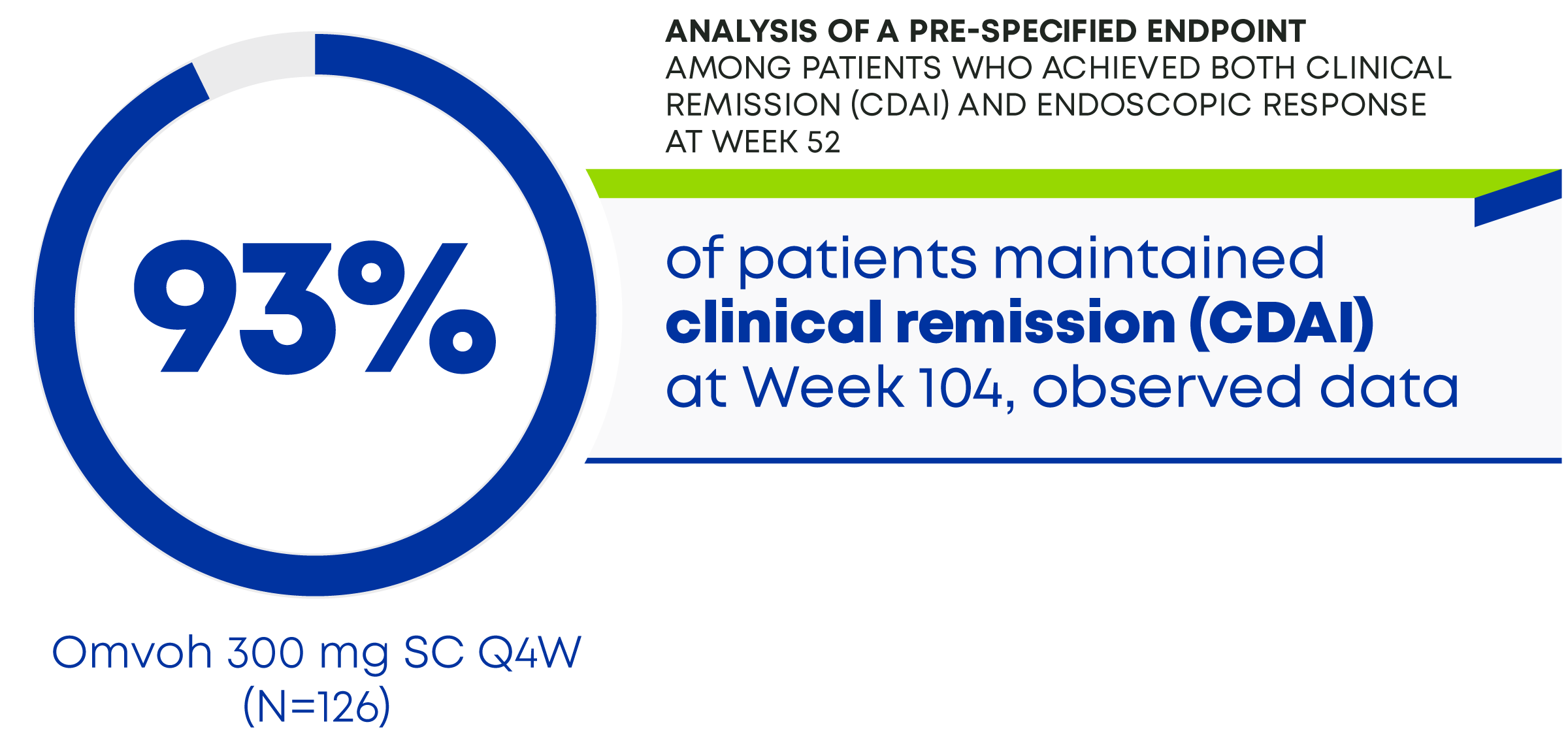
clinical remission maintenance - 93% of patients maintained clinical remission (CDAI) at week 104, observed data

Analysis of a pre-specified endpoint among 126 patients who achieved both clinical remission (CDAI) and endoscopic response at Week 52 and who took Omvoh 300 mg subcutaneously every 4 weeks in CD-2, 93% maintained clinical remission at Week 104, observed data.

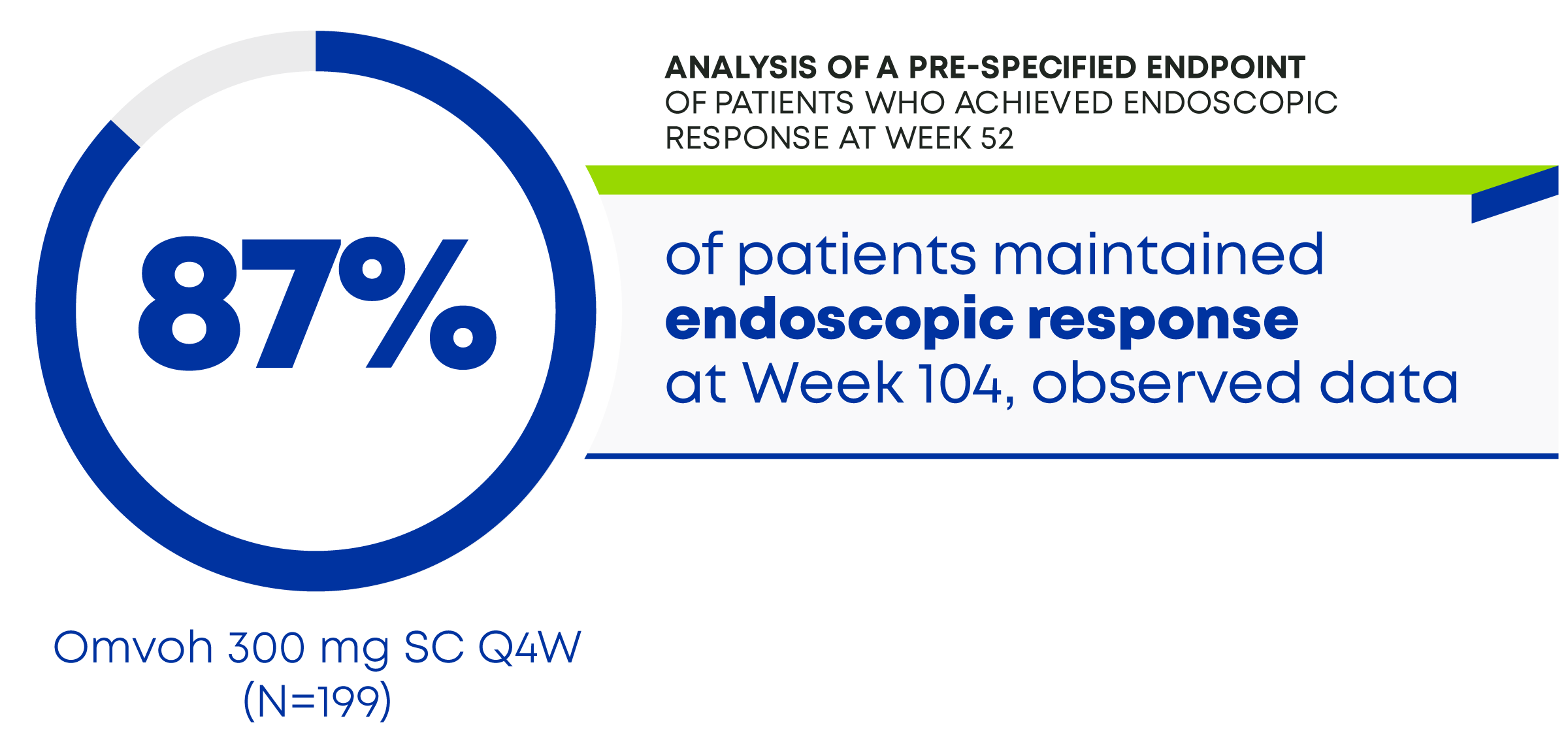
Edoscopic response maintenance - 87% of patients maintained endoscopic response at week 104, observed data

Analysis of a pre-specified endpoint of 199 patients who achieved endoscopic response at Week 52 and who took Omvoh 300 mg subcutaneously every 4 weeks, 87% maintained endoscopic response at Week 104, observed data.

Open-label extension studies may have selection bias as patients who cannot tolerate treatment or do not respond may drop out of the study prior to the extension.

mNRI analysis imputes the missing values, but patients that discontinue treatment are considered nonresponders.14

*Clinical remission by CDAI is defined as CDAI <150.1
†Endoscopic response is defined as >50% reduction from baseline in SES-CD total score, based on central reading.1
‡Week 104.

CD=Crohn’s disease; CDAI=Crohn’s Disease Activity Index; mITT=modified intent-to-treat; mNRI=modified magnetic resonance imaging; Q4W=every 4 weeks; SC=subcutaneous; SES-CD=Simple Endoscopic Score for Crohn’s Disease.

See Pivotal Trial Data

FOR ADULTS WITH MODERATE TO SEVERE CD1

Bowel Urgency Reduction through 2 Years15,16

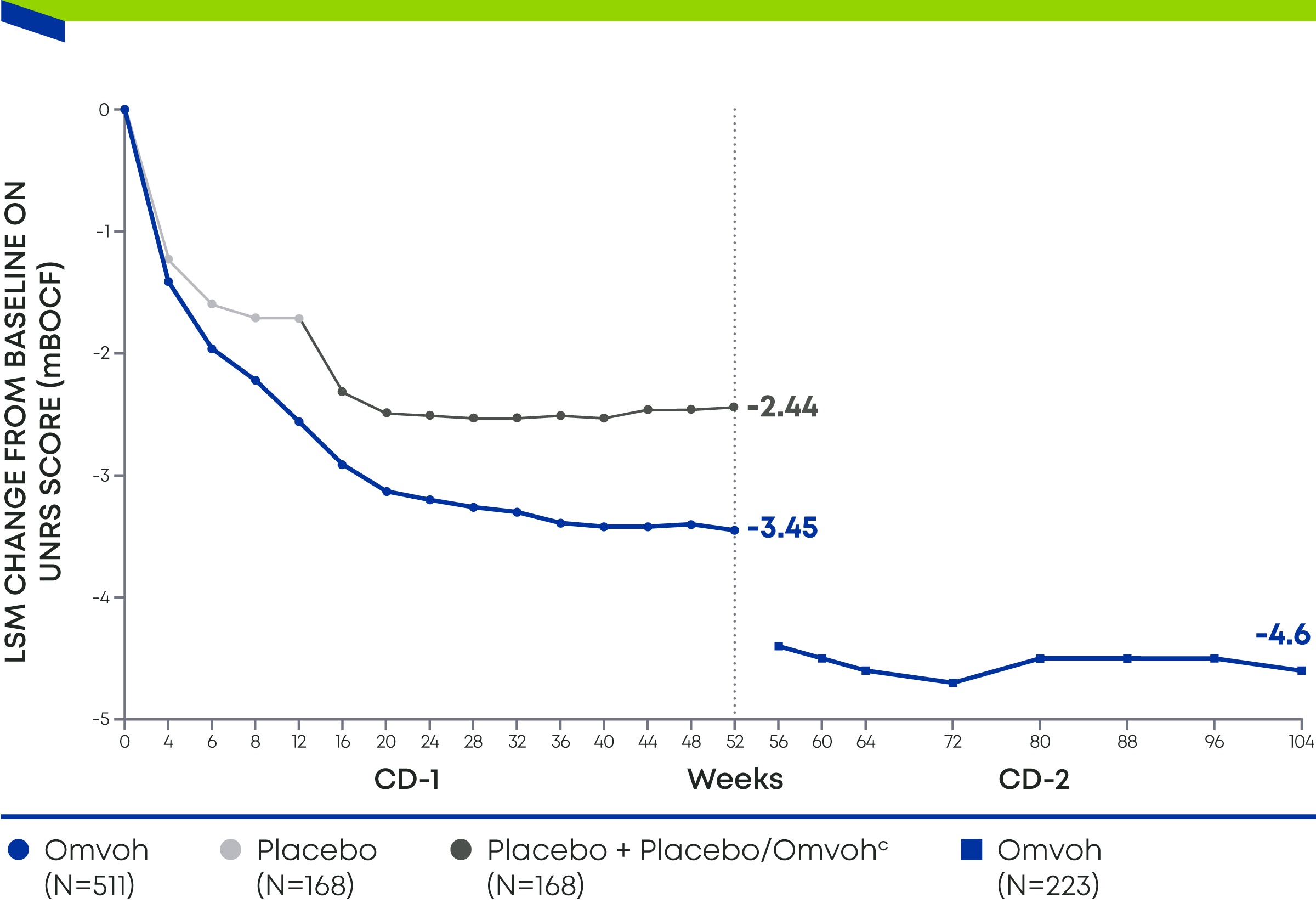
UNRS Scores Change from Baseline through 2 years

During CD-1 (52 Weeks), 511 patients took Omvoh with a least square mean change from baseline of -3.45 at Week 52 and 168 patients took Placebo (Weeks 0-12) and Placebo or Placebo/Omvoh (Weeks 12-52) with a least square mean change from baseline of -2.44 at Week 52. During CD-2 (52 Weeks), 223 patients took Omvoh with a least square mean change from baseline of -4.6 at Week 104.

Open-label extension studies may have selection bias as patients who cannot tolerate treatment or do not respond may drop out of the study prior to the extension. These data should be viewed cautiously. Efficacy conclusions cannot be drawn.

The baseline median UNRS scores were 7.0 for Omvoh patients and 7.1 for Placebo patients.1

Analysis through week 52 was not controlled for multiplicity. Statistical significance cannot be concluded.

Data after Week 52 only include patients who achieved endoscopic responsed at Week 52 and continued Omvoh 300mg subcutaneous (SC) injection dosing through Week 104.

aBowel urgency severity was assessed using an Urgency Numeric Rating Scale (UNRS) ranging from 0 (no urgency) to 10 (worst possible urgency).1,2,9
bFollowing Omvoh 900 mg as an intravenous infusion at Week 0, Week 4, and Week 8, participants received Omvoh 300 mg as a SC injection at Week 12 and every 4 weeks (Q4W) thereafter.1
cIncludes all 168 subjects randomized to Placebo at baseline. Of those, 67 (40%) subjects did not achieve clinical response (PRO) at Week 12 and were switched to blinded induction and maintenance treatment with Omvoh at Week 12 (designated as Placebo/Omvoh). Efficacy data from these 67 subjects are included here with the remaining subjects randomized to Placebo who did not receive Omvoh (designated as Placebo).1
dEndoscopic response is defined as >50% reduction from baseline in SES-CD total score, based on central reading. CD-2 has limitations.1,2,9

CD=Crohn’s disease; LSM=least-square mean; mBOCF=modified baseline observation carried forward; SES-CD=Simple Endoscopic Score for Crohn’s Disease; UNRS=Urgency Numeric Rating Scale

See Pivotal Trial Data
Hypothetical female Omvoh patient holding a serving tray and standing in front of a green line

Safety Data Across UC and CD Trials

See the data Right
Hypothetical female Omvoh patient holding a serving tray and standing in front of a green line

Safety Data Across UC and CD Trials

See the data Right

References:

  1. Omvoh. Prescribing Information. Lilly USA, LLC.
  2. Data on File. DOF-MR-US-0065. Lilly USA, LLC.
  3. Data on File. DOF-MR-US-0058. Lilly USA, LLC.
  4. Data on File. DOF-MR-US-0077. Lilly USA, LLC.
  5. Data on File. DOF-MR-US-0087. Lilly USA, LLC.
  6. Schreiber S, Hunter Gibble TH, Panaccione R, et al. Patient and health care professional perceptions of the experience and impact of symptoms of moderate-to-severe Crohn’s disease in US and Europe: results from the cross-sectional CONFIDE study. Dig Dis Sci. 2024;69(7):2333-2344 (Incl Suppl Mat). doi:10.1007/s10620-024-08434-5
  7. Rubin DT, Sninsky C, Siegmund B, et al. International perspectives on management of inflammatory bowel disease: opinion differences and similarities between patients and physicians from the IBD GAPPS survey. Inflamm Bowel Dis. 2021;27(12):1942-1953. doi:10.1093/ibd/izab006
  8. Data on File. DOF-MR-US-0085. Lilly USA, LLC.
  9. Dubinsky MC, Delbecque L, Hunter T, et al. Validation of the bowel urgency numeric rating scale in patients with Crohn's disease: results from a mixed methods study. Qual Life Res. 2023;32(12):3403-3415. doi:10.1007/s11136-023-03494-y
  10. Dubinsky MC, Irving PM, Panaccione R, et al. Incorporating patient experience into drug development for ulcerative colitis: development of the Urgency Numeric Rating Scale, a patient- reported outcome measure to assess bowel urgency in adults. J Patient Rep Outcomes. 2022;6(1):31. doi:10.1186/s41687-022-00439-w
  11. Dubinsky MC, Shan M, Delbecque L, et al. Psychometric evaluation of the Urgency NRS as a new patient-reported outcome measure for patients with ulcerative colitis. J Patient Rep Outcomes. 2022;6(1):114. doi:10.1186/s41687-022-00522-2
  12. Varma A, Weinstein J, Seabury J, et al. Patient-reported impact of symptoms in Crohn's disease. Am J Gastroenterol. 2022;117(12):2033-2045. doi:10.14309/ajg.0000000000001954
  13. Data on File. DOF-MR-US-0076. Lilly USA, LLC.
  14. Data on File. DOF-MR-US-0066. Lilly USA, LLC.
  15. Data on File. DOF-MR-US-0063. Lilly USA, LLC.
  16. Data on File. DOF-MR-US-0064. Lilly USA, LLC.
  17. Data on File. DOF-MR-US-0094. Lilly USA, LLC.
  18. Data on File. DOF-MR-US-0078. Lilly USA, LLC.
  19. Data on File. DOF-MR-US-0102. Lilly USA, LLC.
  20. Dubinsky M, Vadhariya A, Su S, et al. The Urgency Numeric Rating Scale: psychometric evaluation in adults with Crohn's disease. Adv Ther. 2025;42(2)(Incl suppl mat):1044-1060. doi:10.1007/s12325-024-03081-8

IMPORTANT SAFETY INFORMATION for Omvoh (mirikizumab-mrkz)

Warning:

CONTRAINDICATIONS - Omvoh is contraindicated in patients with a history of serious hypersensitivity reaction to mirikizumab-mrkz or any of the excipients.

WARNINGS AND PRECAUTIONS

Hypersensitivity Reactions

Serious hypersensitivity reactions, including anaphylaxis during intravenous infusion, have been reported with Omvoh administration. Infusion-related hypersensitivity reactions, including mucocutaneous erythema and pruritus, were reported during induction. If a severe hypersensitivity reaction occurs, discontinue Omvoh immediately and initiate appropriate treatment.

Infections

Omvoh may increase the risk of infection. Do not initiate treatment with Omvoh in patients with a clinically important active infection until the infection resolves or is adequately treated. In patients with a chronic infection or a history of recurrent infection, consider the risks and benefits prior to prescribing Omvoh. Instruct patients to seek medical advice if signs or symptoms of clinically important acute or chronic infection occur. If a serious infection develops or an infection is not responding to standard therapy, monitor the patient closely and do not administer Omvoh until the infection resolves.

Tuberculosis

Evaluate patients for tuberculosis (TB) infection prior to initiating treatment with Omvoh. Do not administer Omvoh to patients with active TB infection. Initiate treatment of latent TB prior to administering Omvoh. Consider anti-TB therapy prior to initiation of Omvoh in patients with a history of latent or active TB in whom an adequate course of treatment cannot be confirmed. Monitor patients for signs and symptoms of active TB during and after Omvoh treatment. In clinical trials, subjects were excluded if they had evidence of active TB, a history of active TB, or were diagnosed with latent TB at screening.

Hepatotoxicity

Drug-induced liver injury in conjunction with pruritus was reported in a clinical trial subject following a longer than recommended induction regimen. Omvoh was discontinued. Liver test abnormalities eventually returned to baseline. Evaluate liver enzymes and bilirubin at baseline and for at least 24 weeks of treatment. Monitor thereafter according to routine patient management. Consider other treatment options in patients with evidence of liver cirrhosis. Prompt investigation of the cause of liver enzyme elevation is recommended to identify potential cases of drug-induced liver injury. Interrupt treatment if drug-induced liver injury is suspected, until this diagnosis is excluded. Instruct patients to seek immediate medical attention if they experience symptoms suggestive of hepatic dysfunction.

Immunizations

Avoid use of live vaccines in patients treated with Omvoh. Medications that interact with the immune system may increase the risk of infection following administration of live vaccines. Prior to initiating therapy, complete all age-appropriate vaccinations according to current immunization guidelines. No data are available on the response to live or non-live vaccines in patients treated with Omvoh.

ADVERSE REACTIONS

Most common adverse reactions associated with Omvoh (≥2% of subjects and at a higher frequency than placebo) in ulcerative colitis treatment are upper respiratory tract infections and arthralgia during the induction study (UC-1), and upper respiratory tract infections, injection site reactions, arthralgia, rash, headache, and herpes viral infection during the maintenance study (UC-2).

Most common adverse reactions associated with Omvoh in the Crohn’s disease study (CD-1) (≥5% of subjects and at a higher frequency than placebo) are upper respiratory tract infections, injection site reactions, headache, arthralgia, and elevated liver tests.

Omvoh injection is available as a 300mg/15 mL solution in a single-dose vial for intravenous infusion, and as a 100 mg/mL solution or a 200 mg/2 mL solution in a single dose prefilled pen or prefilled syringe for subcutaneous injection. Refer to the Prescribing Information for dosing information.

MR HCP ISI CD APP

Please see Prescribing Information and Medication Guide for Omvoh. Please see Instructions for Use included with the device.

INDICATIONS

Ulcerative Colitis
Omvoh is an interleukin-23 antagonist indicated for the treatment of moderately to severely active ulcerative colitis (UC) in adults.

Crohn's Disease
Omvoh is an interleukin-23 antagonist indicated for the treatment of moderately to severely active Crohn's disease (CD) in adults.

  • Terms of Use
  • Privacy Statement
  • Consumer Health Privacy Notice
  • Accessibility Statement
  • Sitemap

To speak to a customer specialist:
Call 1-800-LillyRx
(1-800-545-5979)

This site is intended for US healthcare providers.

Omvoh® and its delivery device base are trademarks owned or licensed by Eli Lilly and Company, its subsidiaries, or affiliates.

Lilly Support Services™ and Companion in Care™ are trademarks owned or licensed by Eli Lilly and Company, its subsidiaries, or affiliates. Other product/company names mentioned herein are the trademarks of their respective owners.

CMAT-00876 11/2025 ©Lilly USA, LLC 2025. All rights reserved .

Your Privacy Choices

Cookie Settings

Terms of Use Privacy Statement Consumer Health Privacy Notice Accessibility Statement Sitemap
Eli Lilly Logo